 Propagation
Seedling Trays
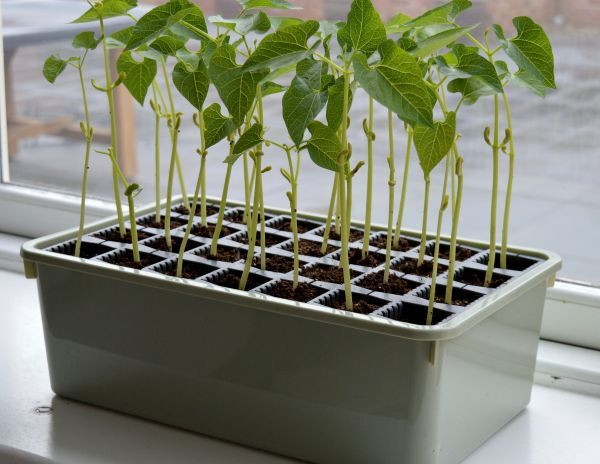
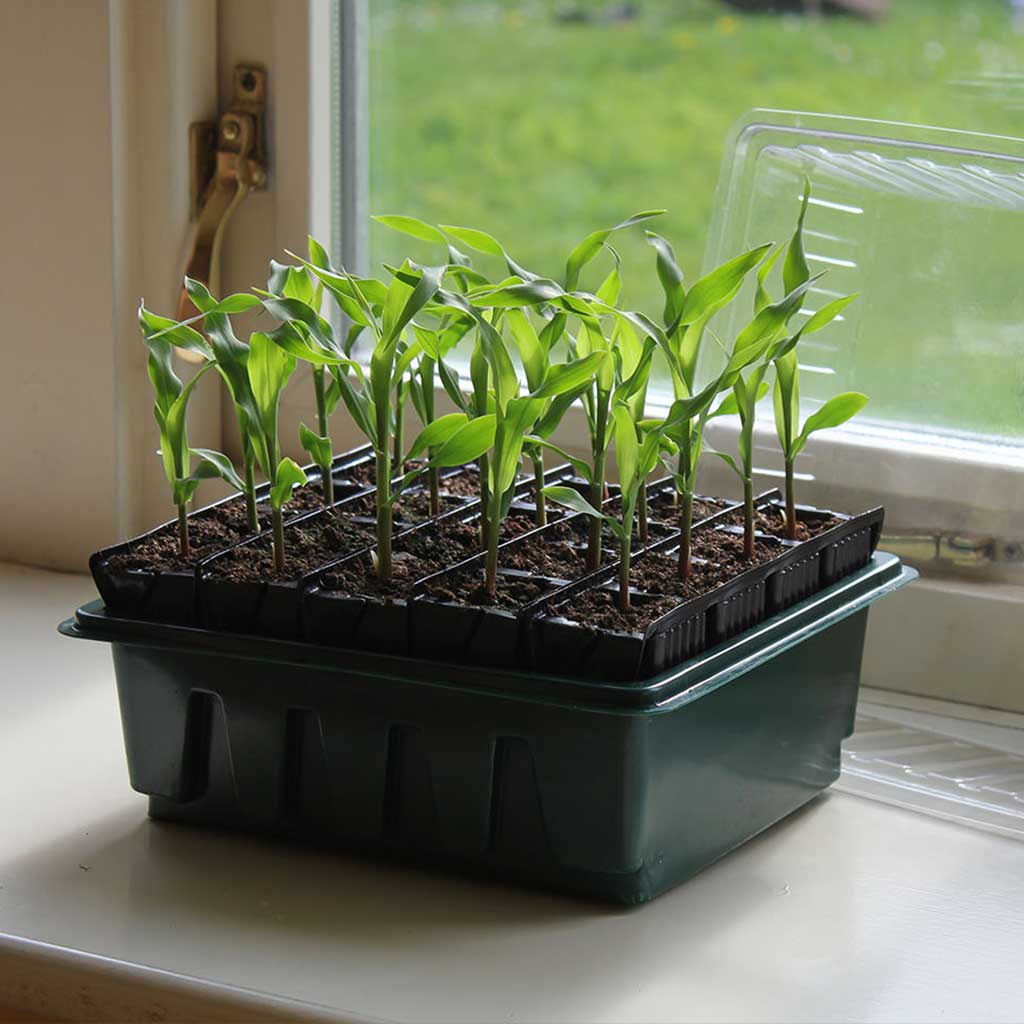
Plug trays from 35 to 104 cavities for vegetable and ornamental propagation.
View product
Propagation
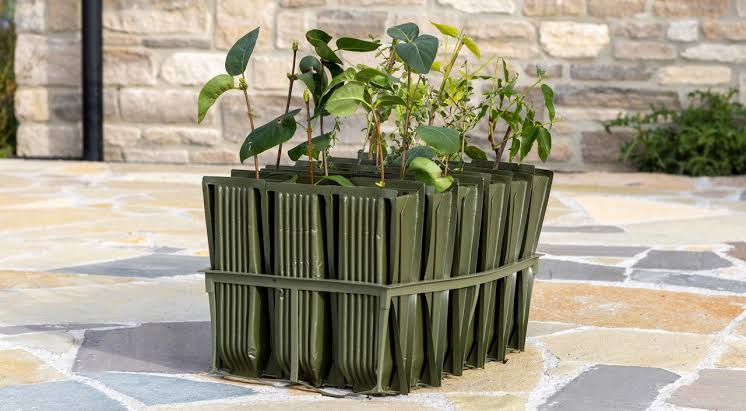
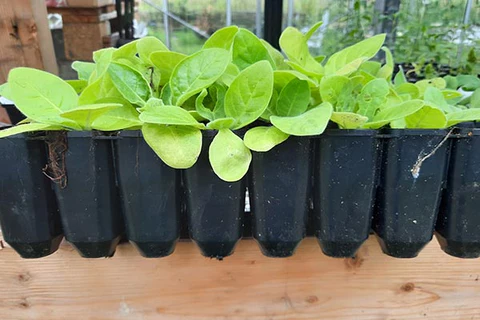
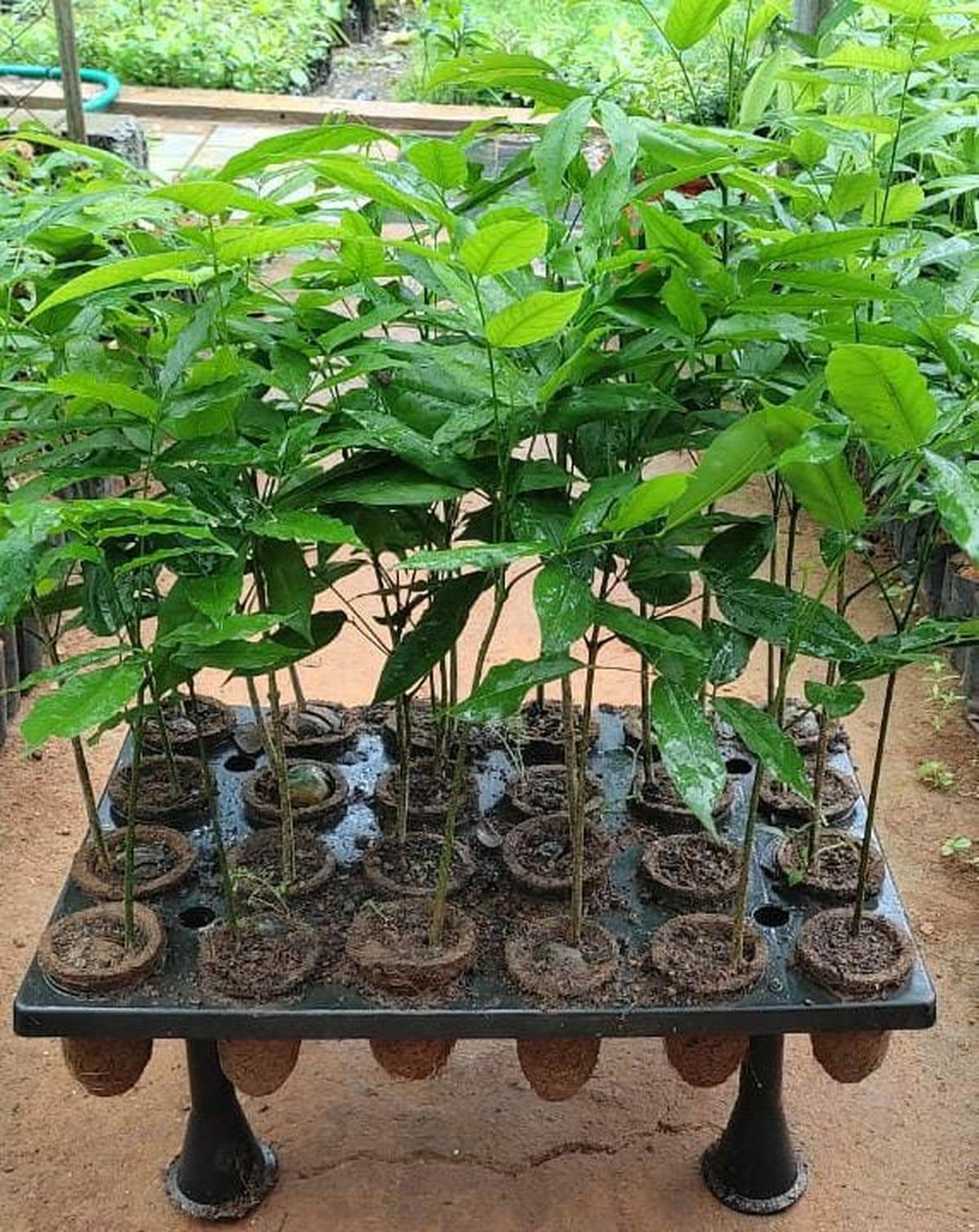
Ribbed cells that force roots down instead of round. Block formats from 12 to 40 holes, single cells from 150cc to 700cc — for stock that has to survive a plantation, not just a transplant.
Overview
A seedling raised in a smooth-walled container coils its roots against the wall. Plant it out and that coil stays coiled — the tree is structurally compromised for its entire life, and you find out five years later when it goes over in a storm.
Root trainers exist to solve exactly this. Vertical internal ribs interrupt lateral root travel and channel it downward. The open base exposes the root tip to air, which naturally terminates it — air pruning — and triggers branching further back up the column. What comes out is a fibrous, downward root architecture rather than a spiral.
For forestry, plantation and agroforestry work, this is not a refinement. It is the difference between stock that establishes and stock that fails in year three. Any planting programme measured in decades should be raised in trainers.
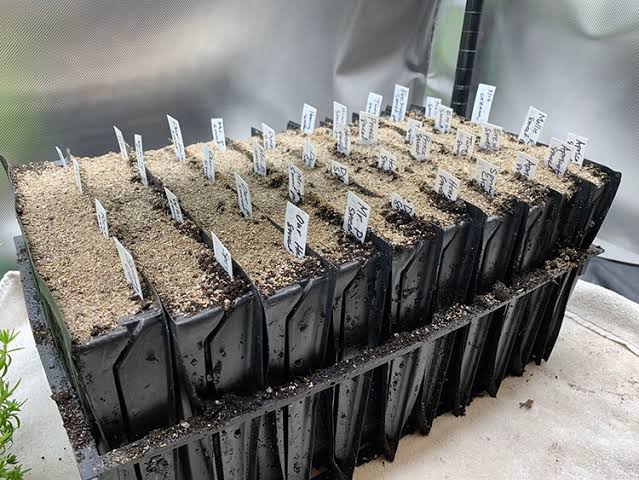
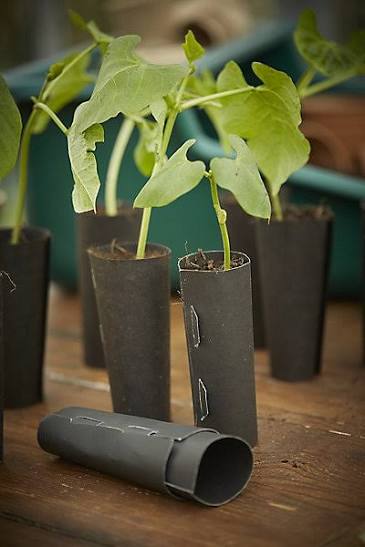
We supply block trainers in 12, 24, 25 and 40 hole formats for batch handling, and single cells from 150cc to 700cc where individual handling or longer holding is needed. Both run in rigid HDPE/PP with UV stabilisation, built for repeated seasons.
Features
Ribs run the full cell depth, interrupting lateral roots and channelling them downward rather than around.
Exposed root tips terminate naturally at the base, triggering fibrous branching up the column.
Open bases drain completely — no perched water, no waterlogged root zone in monsoon conditions.
Built for open nursery beds under full Indian sun across repeated seasons.
Blocks for batch throughput; single cells where stock is held longer or handled individually.
Rigid construction survives extraction, washing and sanitation between cycles.
Specifications
Block trainers for throughput, single cells for volume and holding period. Choose on how long the stock sits before planting out.
| Format | Holes / Cells | Cell Volume | Cell Depth (mm) | Typical Use |
|---|---|---|---|---|
| Block | 40 hole | ~90 cc | 120 | High-density forestry seedlings |
| Block | 25 hole | ~150 cc | 140 | Standard plantation stock |
| Block | 24 hole | ~160 cc | 140 | Eucalyptus, casuarina, teak |
| Block | 12 hole | ~300 cc | 160 | Larger saplings, longer hold |
| Single Cell | 150 cc | 150 cc | 140 | Compact forestry stock |
| Single Cell | 300 cc | 300 cc | 160 | Fruit and plantation saplings |
| Single Cell | 500 cc | 500 cc | 180 | Extended holding, larger stock |
| Single Cell | 700 cc | 700 cc | 200 | Grafted and specimen material |
Cell volumes are nominal and vary slightly with taper. Confirm against your media and holding period before bulk order — we will advise if the format you have chosen is likely to bind roots at your planned hold time.
Applications
Anywhere the plant outlives the nursery by years rather than months.
Advantages
The benefits of trainers show up on a longer timescale than most nursery inputs — which is exactly why they get skipped, and exactly why skipping them is expensive.
Gallery
Industries
FAQ
A poly bag has smooth walls and a closed base. Roots hit the wall, turn, and circle — and they stay circled after planting, which compromises the tree structurally for life. A root trainer has vertical internal ribs that channel roots downward and an open base that air-prunes the root tip, triggering fibrous branching. Trainers also reuse across seasons where bags are single-use. For anything that will stand for years, trainers are not a preference — they are the correct specification.
Blocks handle in batches, which suits high-throughput forestry nurseries moving thousands of uniform seedlings on a fixed cycle. Single cells suit stock that is held longer, graded individually, or dispatched in mixed lots. If your seedlings all leave the nursery together, use blocks. If they leave as individuals over a window, use single cells.
Cell volume is driven by holding period, not species. A seedling held eight weeks needs less volume than the same species held six months. As a rough guide: under three months, 90–150cc is workable; three to six months, move to 300cc; beyond six months or for grafted material, 500–700cc. If roots reach the base and start circling at the open bottom, the cell was too small for your hold time.
Block trainers are usually placed on raised frames or benches so the open bases stay clear of the ground. If the base sits flat on soil, roots escape into the soil instead of air-pruning, which defeats the purpose. Single cells need trays or frames for the same reason. We supply matched frames and trays — specify them with your order rather than improvising on site.
Buffered low-EC cocopeat, usually blended with perlite or vermiculite for structure. Media in trainers must hold together enough to extract as an intact plug but drain freely through the open base. Straight garden soil does not work — it slumps, blocks drainage and defeats air pruning. We supply matched cocopeat blocks and can specify the blend against your cell volume.
Enquiry
Send the species, the volume and how long stock is held before planting out. You will get a written recommendation with format, cell volume and media blend.
Related
Products that typically ship in the same order.
Propagation
Plug trays from 35 to 104 cavities for vegetable and ornamental propagation.
 Growing Media
 Protection
 Growing Media